
Food is more than flavor—it’s memory, identity, heritage, and even protest. In literature, food often becomes a main character, offering readers an unforgettable sensory experience and emotional depth. Whether you’re a passionate foodie, a cultural explorer, or a lover of immersive fiction, these novels about food culture will leave your soul stirred and your stomach rumbling.
Why Are Novels About Food Culture So Popular Right Now?
From #BookTok recommendations to major TV adaptations like Like Water for Chocolate, novels centered around food culture are trending globally. Why? Because food is universal—and deeply personal.
Food culture novels bridge the gap between generations, countries, and inner lives. They reveal what people eat, why they eat it, and what those meals represent in times of grief, joy, or transition. In a world where we crave connection and authenticity, culinary fiction serves comfort and truth in equal measure.
🏆 Top 10 Must-Read Novels About Food Culture
Each of these novels doesn’t just mention food—they celebrate it as an emotional and cultural core.
1. Like Water for Chocolate by Laura Esquivel
This Mexican novel is a feast of emotions wrapped in handmade tortillas. Tita’s love is forbidden, but every dish she prepares becomes a vehicle of expression. Think mole that brings tears, and cake that causes heartbreak. You can almost taste the chiles, the garlic, the centuries-old traditions passed from hand to hand. This is a magical realist novel that smells like roasted cocoa and rebellion.
“Each chapter begins with a recipe, blending love, loss, and chili peppers.”
Why it works: It redefines food heritage fiction and captures the emotional textures of a Mexican kitchen with every turn of the page.
2. The Hundred-Foot Journey by Richard C. Morais
The aromas of turmeric, cardamom, and butter swirl through the pages of this cross-continental culinary novel. When Hassan’s Indian family lands in a quaint French village and opens a restaurant, sparks (and spices) fly. The tension between French haute cuisine and robust Indian flavors is deliciously layered—and as a foodie who loves reading, I was hooked by the way both food traditions fought and fused on the plate.
Why it works: This book celebrates Indian cuisine in novels, and the journey from street food to Michelin stars is simply irresistible.
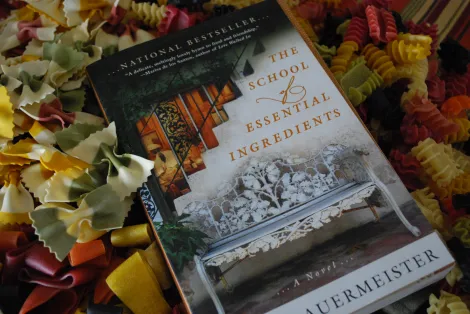
3. The School of Essential Ingredients by Erica Bauermeister
If you believe food has the power to heal, this one’s for you. Lillian’s cooking class isn’t just about learning recipes—it’s about unlocking the hidden emotions inside each student. As a reader who relishes stories with emotional flavor, I loved how cooking became a language of comfort and self-discovery. From rosemary to risotto, each chapter tastes like a slow, soulful simmer.
Why it works: It’s gourmet fiction that feels like therapy—served warm.
4. Chocolat by Joanne Harris
Chocolate has never felt so subversive. When Vianne opens her chocolate shop during Lent in a conservative French town, the tension is thick—and sweet. As a foodie who loves dark chocolate and darker metaphors, I devoured the way truffles, spiced cocoa, and bonbons became acts of liberation. The writing? Decadent. The message? Let go and indulge.
Why it works: It’s a French village novel where food becomes spiritual freedom—and dessert is revolution.
5. The Particular Sadness of Lemon Cake by Aimee Bender
This isn’t just magical realism—it’s edible emotion. Rose can taste the feelings of whoever cooks her food. Imagine biting into a lemon cake and suddenly drowning in your mother’s sorrow. As a food-obsessed reader, I found this concept terrifying and beautiful. The way food reflects the soul here? Unforgettable.
Why it works: It’s a food-themed novel that mixes emotional intelligence with magical perception like no other.
6. Butter by Asako Yuzuki
Butter. Soft, seductive, and in this case—possibly lethal. This psychological thriller peels back layers of gender, power, and food obsession through the story of a woman accused of killing men with rich, buttery meals. As someone who reads with one hand and eats with the other, this novel fascinated me. The cooking scenes were luscious, the darkness palpable.
Why it works: It’s Japanese food literature at its boldest—comforting and chilling at the same time.
7. The Belly of Paris by Émile Zola
If you’ve ever dreamed of walking through 19th-century Paris with the smell of cheese, fish, and fresh bread in the air, this one’s a must. Zola paints Les Halles market with such detail you can see the glistening pâtés and hear the gossip of the food sellers. But beneath the sensual feast lies class struggle and hunger. As a reader who savors food and context, I was captivated.
Why it works: It turns French literature into a decadent platter of food and politics.
8. Pachinko by Min Jin Lee
Though it isn’t just about food, Pachinko threads Korean cuisine throughout its story like kimchi through a banchan platter. Each dish—rice cakes, soups, fermented vegetables—is more than sustenance; it’s legacy, it’s love. As a reader and foodie, I felt grounded in every steaming bowl.
Why it works: It offers one of the richest explorations of Korean food in literature, blending culture and cuisine beautifully.
9. Fried Green Tomatoes at the Whistle Stop Café by Fannie Flagg
You can practically smell the bacon frying and hear the sizzle of cornbread in the skillet. This novel brings Southern food and storytelling together like sweet tea on a hot day. It’s warm, nostalgic, and full of characters who find community through cooking. As someone who equates biscuits with belonging, this book hit home.
Why it works: It’s a Southern food novel that comforts and connects.
10. The Kitchen Daughter by Jael McHenry
What if cooking summoned spirits? This tender novel features a protagonist on the autism spectrum who discovers that making her family’s recipes calls forth the ghosts of loved ones. As a foodie with a love for the mystical, I was hooked by the concept and moved by the execution. Every recipe becomes a séance, every bite a memory.
Why it works: It’s about food and grief, but also about connection and courage through culinary ritual.
📚 Bonus Picks: Hidden Gems in Culinary Fiction
- Crescent by Diana Abu-Jaber – Arab-American identity through lamb, lentils, and longing
- Babette’s Feast by Isak Dinesen – A single meal changes lives in a remote village
- Tomorrow There Will Be Apricots by Jessica Soffer – Jewish-Iraqi cuisine and fractured families
🌍 How Food Culture Novels Connect Us All
In every culture, food tells a story. These novels use meals to preserve memory, challenge norms, and build bridges. As we read them, we connect not just to flavors but to the souls of cultures that shaped them.
“Food in literature isn’t about recipes. It’s about survival, love, and resistance.”
Whether it’s a rich mole recipe in Like Water for Chocolate or the simple comfort of kimchi in Pachinko, these books feed our hunger for understanding.
🎯 Final Thoughts: What’s Your Favorite Bite?
Do you have a favorite novel that made your mouth water or reminded you of your grandmother’s cooking? Share it in the comments—or pass this post along to a fellow foodie reader.
Also, if you are a writer, this blog is for you: Top 25 Motivational Quotes for Writers in 2025!